Address
Plot No. - M88, MIDC, Ambad, Nashik - 422010, Maharashtra, India


Plot No. - M88, MIDC, Ambad, Nashik - 422010, Maharashtra, India


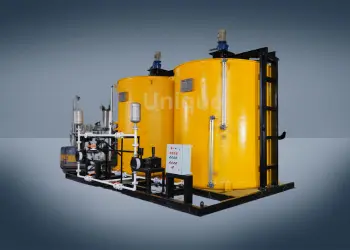
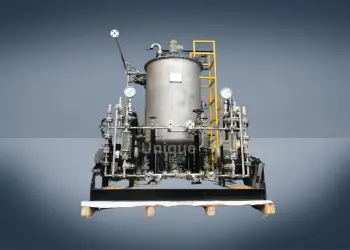
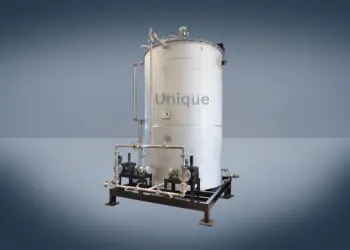
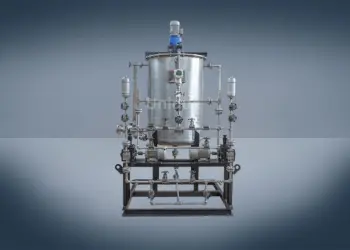
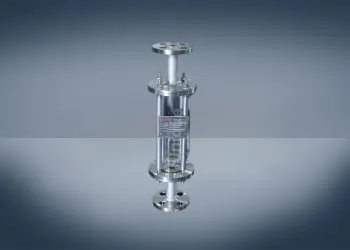
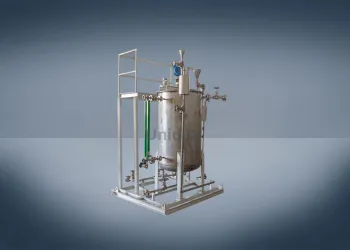
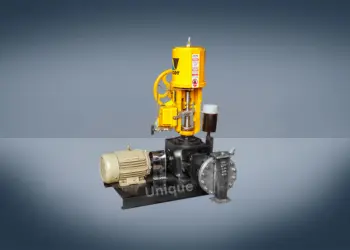
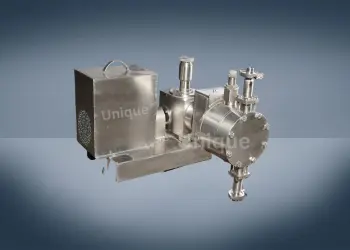
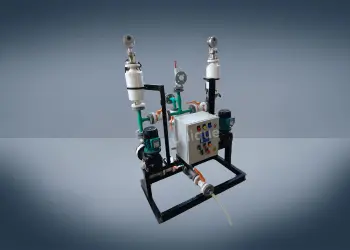
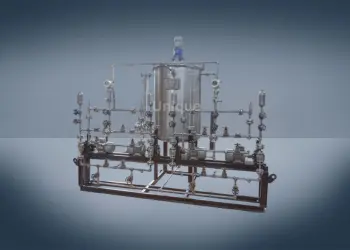
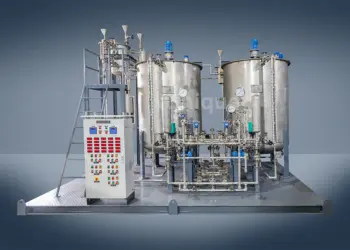
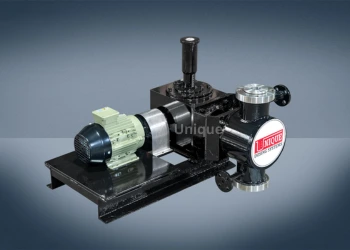
Cooling Tower Dosing System is engrossed with bleed off control that is used for controlling the accumulation of dissolved solids present in water. This controls a bleed off valve required for draining water from the system. Inhibitor dosage is another part of this system acting as corrosion and scale inhibitor required for proportional dosing, maintaining set level in the water. A water meter is used along with inhibitor dosage for operating chemical dosage pump. There are two types of chemical dosing pump used in this system, including diaphragm pump and peristaltic pump. Diaphragm pump is operated with the help of an electromagnetic solenoid operator or motor and hence, are proficient of injecting into high pressures. Peristaltic pump utilizes a system of rollers that comprises a tube, which is able to create a flow.



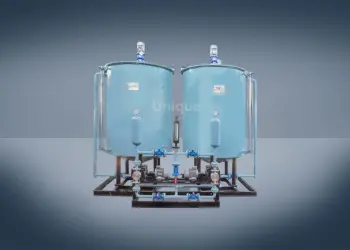
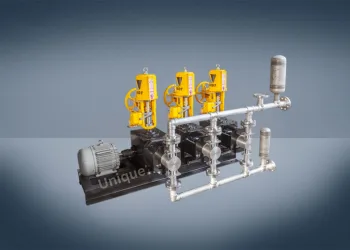


Delivering precision engineering, high-performance dosing pumps, and trusted fluid handling equipment across the globe with proven reliability.
Countries
Satisfied Clients
Years Experience
Quality Parameters
Features :
Efficient performance
Excellent finish
Offer high durability
Cost effective
Accurate dosing
Key Components of a Cooling Tower Dosing System
Chemical Storage Tanks: Hold essential treatment chemicals, including scale inhibitors, corrosion inhibitors, and biocides.
Dosing Pumps: Ensure precise and controlled injection of chemicals into the cooling tower water.
Controllers: Monitor water quality parameters and adjust chemical dosing accordingly.
Sensors: Measure pH, conductivity, and oxidation-reduction potential (ORP) to maintain optimal water chemistry.
Flow Meters: Monitor the rate of chemical injection to prevent underdosing or overdosing.
Types of Cooling Tower Dosing Systems
Manual Dosing Systems: Require manual monitoring and dosing, suitable for smaller systems.
Semi-Automatic Dosing Systems: Combine manual monitoring with automated dosing.
Fully Automatic Dosing Systems: Utilize advanced sensors and controllers for real-time monitoring and automatic adjustment of chemical dosing.
Benefits of Using a Cooling Tower Dosing System
Prevents Scaling and Corrosion: Proper chemical treatment avoids the buildup of scale and corrosion, which can impair heat transfer.
Enhances System Efficiency: Optimal water quality improves heat exchange efficiency, reducing energy consumption.
Reduces Downtime: Consistent water treatment minimizes maintenance-related downtime.
Cost-Effective: Automated systems lower operational costs by optimizing chemical usage and reducing labor expenses.
Environmental Compliance: Proper dosing ensures water discharge meets environmental regulations.
Applications of Cooling Tower Dosing Systems:
Industrial cooling towers
HVAC systems in commercial buildings
Power plants
Food and beverage processing units
Chemical manufacturing plants
Why Choose a Cooling Tower Dosing System?
Precision: Ensures accurate chemical dosing for optimal performance.
Automation: Reduces human error and labor costs.
Durability: Designed to withstand harsh industrial environments.
Scalability: Suitable for small, medium, and large cooling systems.
Maintenance and Best Practices :
Regular Calibration: Ensure that sensors and controllers are calibrated regularly for accurate readings.
Routine Inspection: Conduct periodic checks of pumps, tanks, and pipelines to detect leaks or wear.
Water Analysis: Schedule regular testing of water parameters to adjust dosing as needed.
Proper Storage: Store chemicals safely and compliantly to avoid contamination or accidents.
Innovative Dosing Solutions for Long-Lasting Performance
Unique Dosing Systems is a trusted name in the industry, known for precision, reliability, and innovative technology. With years of expertise and a commitment to excellence, we provide tailored solutions that enhance cooling tower performance.
Our advanced systems ensure accurate dosing, minimal maintenance, and optimal water quality. Choose <strong>Unique Dosing Systems for unparalleled efficiency and long-term reliability in cooling tower management.
