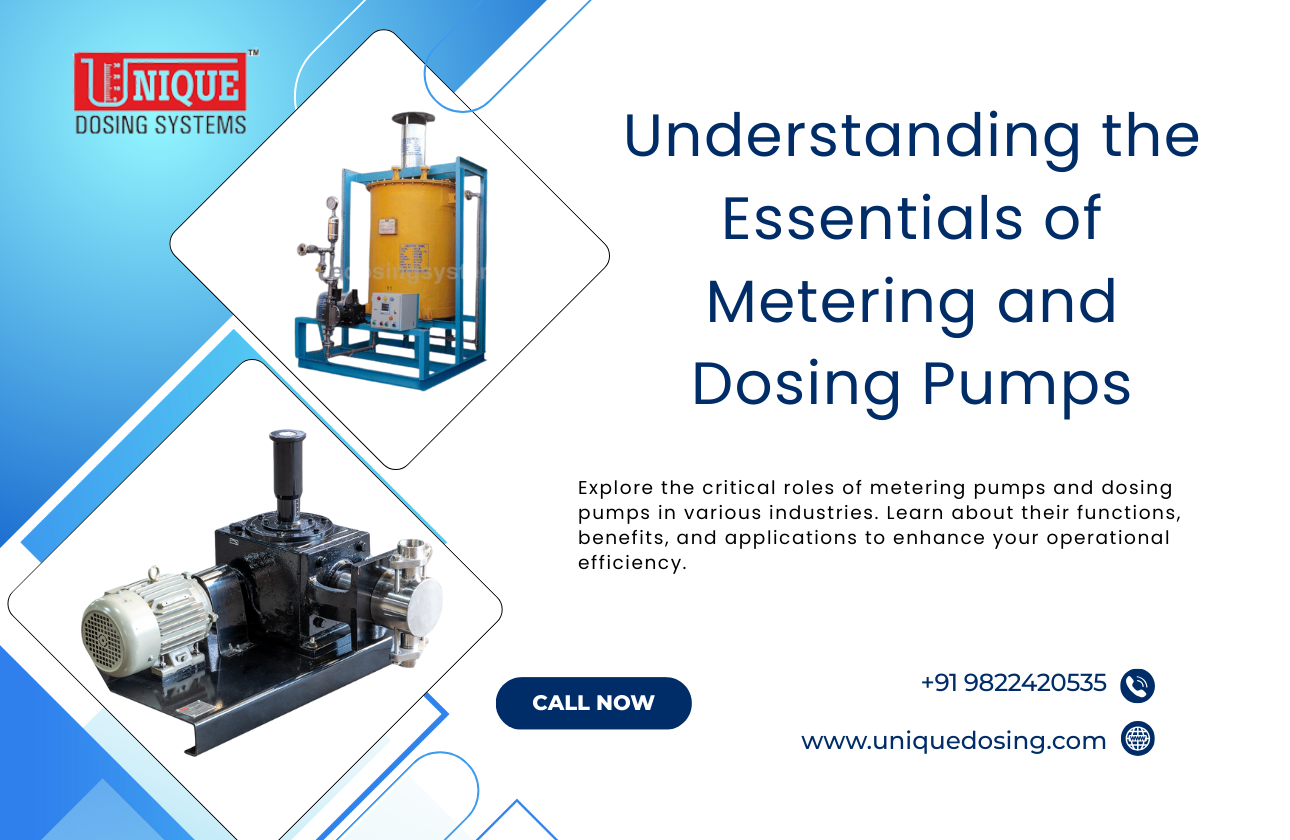
Understanding the Essentials of Metering and Dosing Pumps
In a rapidly evolving industrial landscape, the need for precision and efficiency has never been more paramount. Metering pumps and dosing pump are integral components used in a wide range of applications, from water treatment to chemical processing. But what makes these pumps indispensable, and how can they benefit your operations? Let’s dive into the world of metering and dosing technology.
What is a Metering Pump?
A metering pump is a device designed to deliver precise volumes of liquids or chemicals into a process stream. This precision is critical in industries where even minor deviations can lead to significant quality issues. These pumps offer solutions in sectors such as pharmaceuticals, food processing, and energy production.
Functionality and Applications
Metering pumps are typically categorized based on their mechanism of action, such as diaphragm or piston. Each type offers unique advantages depending on the application. For instance, diaphragm metering pumps are ideal for handling corrosive liquids as they provide a robust barrier between the liquid and the pump mechanism. They are commonly used in chemical industries for dosing acids and bases.
Piston metering pump, on the other hand, are known for their high-pressure handling capabilities and are often employed in oil and gas industries. The ability to effectively manage flow rates from a few milliliters per hour to thousands of liters per hour makes them versatile tools in any process requiring precise chemical dosing.
Understanding Dosing Pumps
Dosing pumps are a specific subset of metering pumps designed to inject a measured quantity of liquid into a system at defined intervals. They are pivotal in water treatment facilities where they assure the safe and accurate addition of disinfectants such as chlorine, achieving regulatory compliance and ensuring public safety.
Benefits of Using Metering and Dosing Pumps
- Accuracy and Control: Offering unmatched precision, these pumps maintain the quality and effectiveness of the processes across various industries.
- Versatility: Suitable for a wide array of viscosities and chemical compatibilities, they easily integrate into existing systems.
- Cost-Effectiveness: By minimizing waste and optimizing dosage, these pumps contribute to a reduction in operational costs.
- Safety: Automated dosing reduces the likelihood of human error, enhancing workplace safety and compliance with regulatory standards.
Conclusion
Metering and dosing pump represent the nexus where technology meets efficiency and precision meets reliability. Their diverse applications across multiple industries underscore their importance in modern manufacturing and processing environments. Investing in high-quality metering and dosing technology can lead to improved operational output, reduced costs, and enhanced safety — a clear win for any business looking to optimize its processes.
Whether you’re managing a water treatment plant or overseeing a chemical manufacturing process, the role of metering and dosing pumps is undeniably transformative. Understanding their functions and advantages allows industries to maximize their potential for efficiency and quality output.
Published on January 16, 2026 by Admin