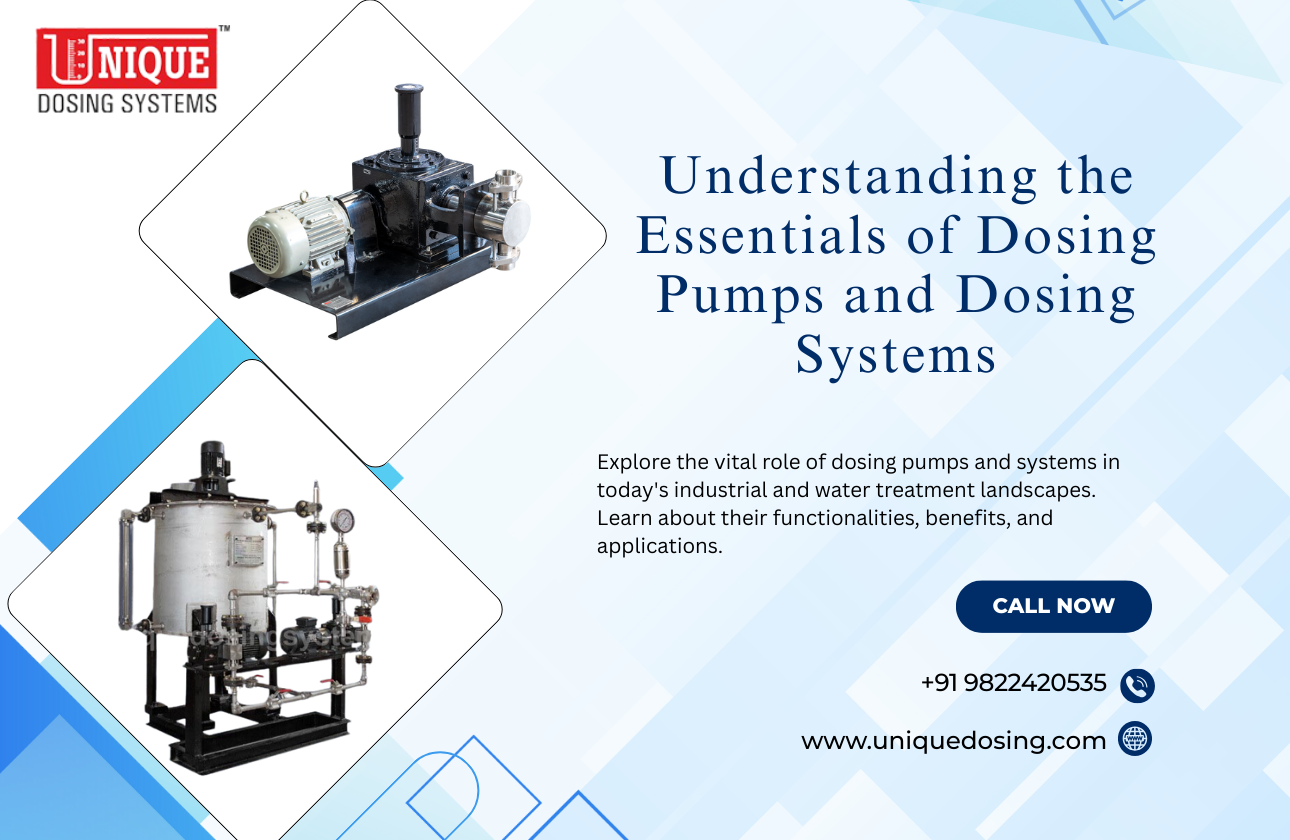
Understanding the Essentials of Dosing Pumps and Dosing Systems
In industrial applications, precise dosing of chemicals is crucial for maintaining product quality, ensuring environmental compliance, and protecting equipment integrity. This is where dosing pumps and dosing systems come into play. These tools provide accurate and controlled delivery of substances, ranging from delicate chemicals to viscous liquids. Let's delve deeper into their functionalities and importance across various industries.
What are Dosing Pumps?
Dosing pump are engineered to transport a precise flow of chemicals or substances into a process or system. They ensure the consistent introduction of a specified volume of fluid, making them indispensable in applications requiring strict chemical compliance and operational accuracy. Used prevalently in water treatment, pharmaceuticals, food processing, and more, these pumps provide unparalleled control over fluid movement.
Key Features of Dosing Pumps
- Accuracy: Dosing pumps are designed to administer exact amounts, ensuring efficiency and minimizing waste.
- Versatility: They can handle a wide variety of fluids, including acids, alkaline solutions, viscous substances, and even liquids containing particles.
- Reliability: Engineered for continuous operation, dosing pumps are built to deliver consistent performance over long periods.
Understanding Dosing Systems
A dosing system typically integrates dosing pumps with other components like sensors, controllers, and tanks to facilitate a seamless chemical delivery process. These systems are tailored to meet specific industrial needs, automating the distribution and mixing of chemicals according to preset parameters. This automation reduces human error, enhances safety, and improves the overall efficiency of industrial processes.
Applications of Dosing Pumps and Systems
Dosing pumps and systems find applications across a multitude of industries:
- Water Treatment: Maintaining chemical balance in water supplies, controlling pH levels, and managing additives efficiently.
- Food and Beverage: Ensuring precise taste profiles and preservative levels in production.
- Pharmaceuticals: Providing accuracy in the blending of ingredients, ensuring safety and effectiveness.
- Chemical Processing: Facilitating safe handling and processing of hazardous substances.
Benefits of Using Dosing Pumps and Systems
The primary advantage of implementing dosing technology is the enhancement of process control. Additional benefits include:
- Cost-Efficiency: Precise dosing minimizes waste and resource consumption.
- Environmentally Friendly: Reduces spillages and ensures compliance with environmental regulations.
- Adaptability: Easy integration with existing systems, allowing for customization according to specific business needs.
Conclusion
In an era where precision and efficiency are paramount, the choice and use of appropriate dosing pumps and dosing systems can significantly alter the landscape of industrial operations. Whether you're exploring options for a new installation or looking to upgrade existing systems, understanding the capabilities and advantages of these technologies is crucial for optimizing your processes and achieving long-term success.
Published on January 17, 2026 by Admin