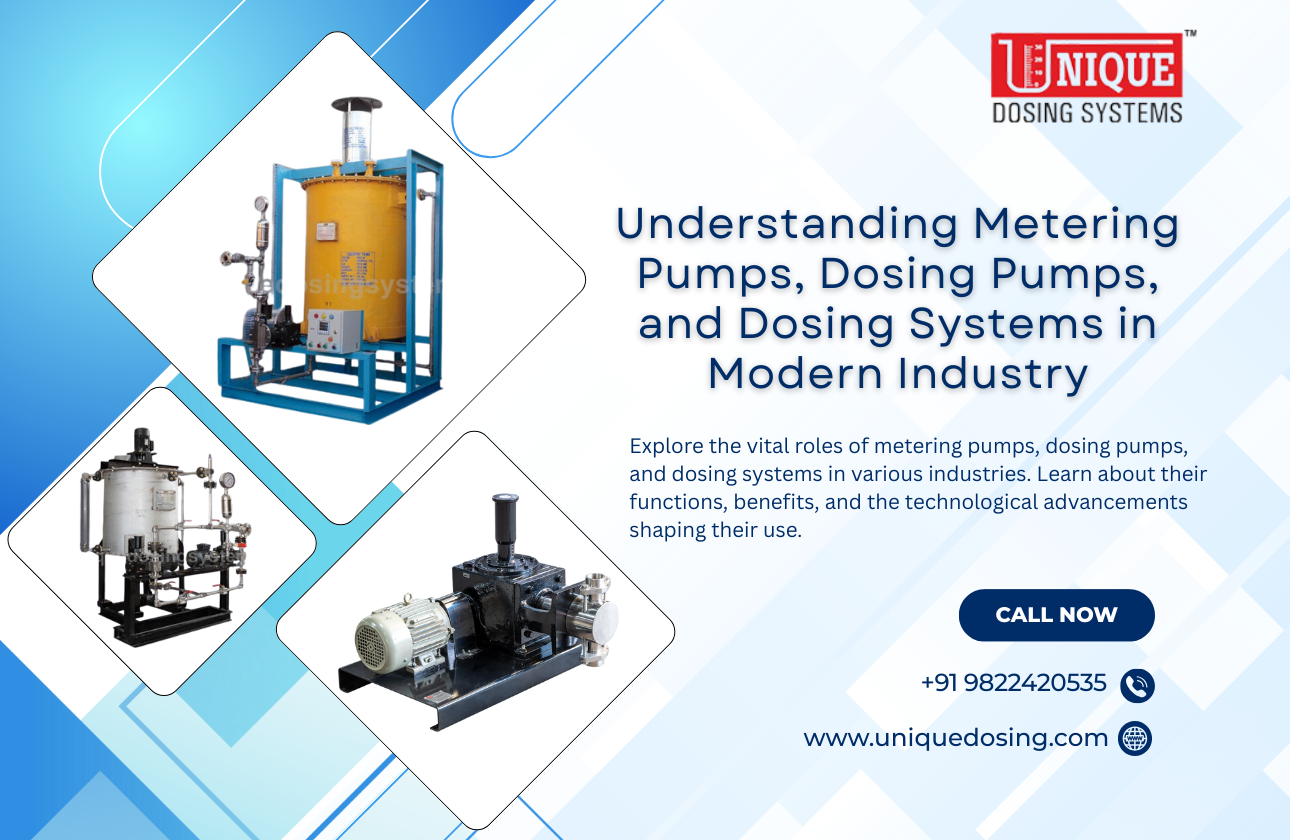
Understanding Metering Pumps, Dosing Pumps, and Dosing Systems in Modern Industry
In today's industrial landscape, precision and efficiency are paramount. The role of metering pumps, dosing pumps, and dosing systems is crucial in achieving these objectives across a range of applications, from water treatment to chemical manufacturing. This blog post delves into their functioning, benefits, and technological advancements that make them indispensable tools in modern processes.
What Are Metering Pumps?
Metering pump are positively displacement pumps designed to move a precise volume of liquid over a specified time period. Their accuracy makes them ideal for applications where exact chemical injection is crucial. Whether in the treatment of wastewater, the management of pH levels in agricultural solutions, or the production of pharmaceutical products, metering pumps ensure the reliable and effective delivery of fluids.
The Role of Dosing Pumps
Dosing pump are a subset of metering pumps, specifically designed to inject exact amounts of a substance into a fluid stream. They are commonly used in the context of adding chlorine to water, injecting acids or alkalis for pH control, and in food and beverage production. The ability to adjust the dosing rate quickly and precisely caters to dynamic industrial requirements, enhancing process control and safety.
Dosing Systems: Integrated Solutions
Dosing systems take the functionality of metering and dosing pumps and integrate them into a comprehensive, automated solution. These systems can consist of multiple pumps and controllers, which collaboratively manage the precise delivery of chemicals, regardless of varying flow rates or pressures. Industries utilizing dosing systems benefit from enhanced efficiency, improved process reliability, and reduced human error.
Benefits of Using Metering and Dosing Pumps
1. Accuracy and Precision: The ability to deliver exact volumes of chemicals ensures consistency and reliability in industrial processes.
2. Automation: Modern dosing systems often incorporate advanced control technologies that allow for automation, reducing the need for manual intervention.
3. Versatility: They can handle a wide range of fluids, from viscous liquids to corrosive chemicals, making them adaptable for various applications.
4. Safety: By ensuring precise chemical delivery, they minimize the risks associated with over or under-dosing, which can lead to hazardous situations.
Technological Advancements
The integration of smart technologies and IoT in dosing systems is revolutionizing their operation. Real-time data monitoring, predictive maintenance, and remote accessibility are just a few examples of how technology enhances the reliability and efficiency of these systems. This not only optimizes performance but also contributes to sustainable operations by minimizing waste and energy consumption.
Conclusion
Metering pump, dosing pumps, and their integrated systems play a pivotal role in ensuring precision and efficiency in industrial processes. As technology continues to advance, these devices are set to become even more sophisticated, further cementing their role as essential components in achieving operational excellence. For businesses seeking to enhance their process control capabilities, investing in advanced dosing technology is a strategic move towards sustainability and success.
Published on January 18, 2026 by Admin