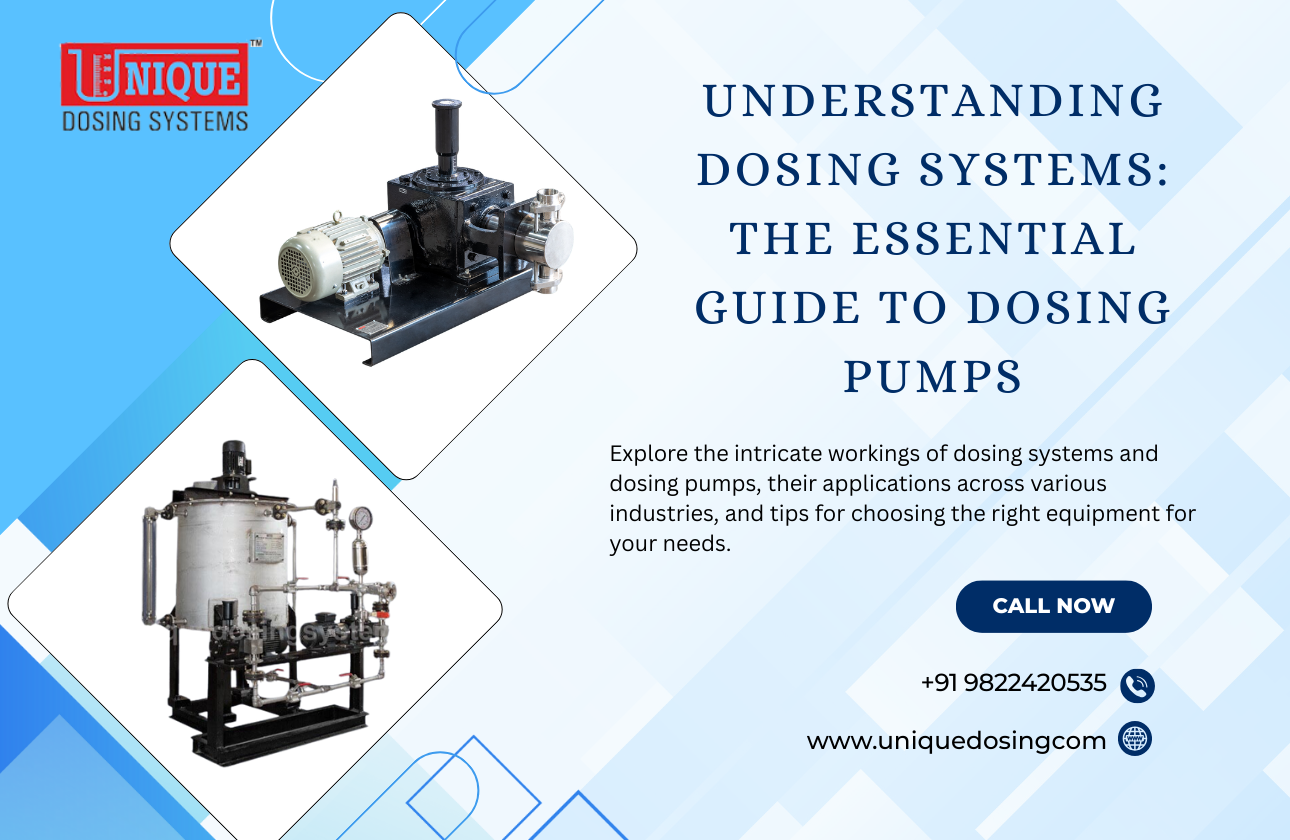
Understanding Dosing Systems: The Essential Guide to Dosing Pumps
In the world of industrial and commercial fluid management, dosing systems and dosing pumps play an essential role. These technologies ensure the precise and measured introduction of a substance into a system or process, making them indispensable in numerous applications from water treatment to chemical processing.
What Are Dosing Systems?
A dosing system is an assembly that accurately quantifies and dispenses liquids into a process. These systems are designed to handle a specific volume and ensure consistency in measurement and delivery. They frequently incorporate dosing pumps, controllers, and chemical tanks as part of their setup.
The Role of Dosing Pumps
Dosing pumps are the heart of any dosing system. They are positive displacement pumps specifically designed to inject a precise amount of liquid into a process stream. Unlike standard pumps, their function is centered around accuracy, often dosing into a system in specific intervals and amounts.
Common Applications of Dosing Systems
- Water Treatment: Precise dosing is crucial for chemical feed in water treatment plants, particularly in disinfection and pH adjustment processes.
- Food and Beverage: Achieving consistent flavor profiles often depends on the accurate dosing of ingredients and additives.
- Pharmaceutical Manufacturing: Ensures the precision necessary for creating safe and effective medications.
Types of Dosing Pumps
There are various models of dosing pumps used across industries, primarily differentiated by their mechanisms and applications:
- Diaphragm Pumps: Known for their accuracy and efficiency, making them ideal for chemical and food processing industries.
- Peristaltic Pumps: These pumps provide precision dosing and are frequently used in laboratory and medical settings.
- Piston Pumps: Generally used in high-pressure applications and known for their robust construction.
Choosing the Right Dosing System
When selecting a dosing system, it is important to consider the following:
- Flow Rate: Evaluate your process requirements to determine the necessary flow rate.
- Materials: Ensure compatibility between the pump materials and the chemicals you'll be dosing to prevent corrosion and degradation.
- Precision and Control: Look for systems with advanced control features for delicate processes that demand precision.
Ultimately, the key to selecting the right dosing system lies in understanding your specific needs and conducting thorough research to match those requirements with the best available technology.
Conclusion
Dosing systems and dosing pumps are vital to modern industry, offering precision and reliability across a range of applications. By understanding the types available and what factors to consider in their selection, businesses can ensure efficient and effective operations consistently. As technology continues to evolve, these systems are likely to become even more integrated, offering improved performance and new capabilities to meet the demands of an ever-changing marketplace.
Published on December 29, 2025 by Admin