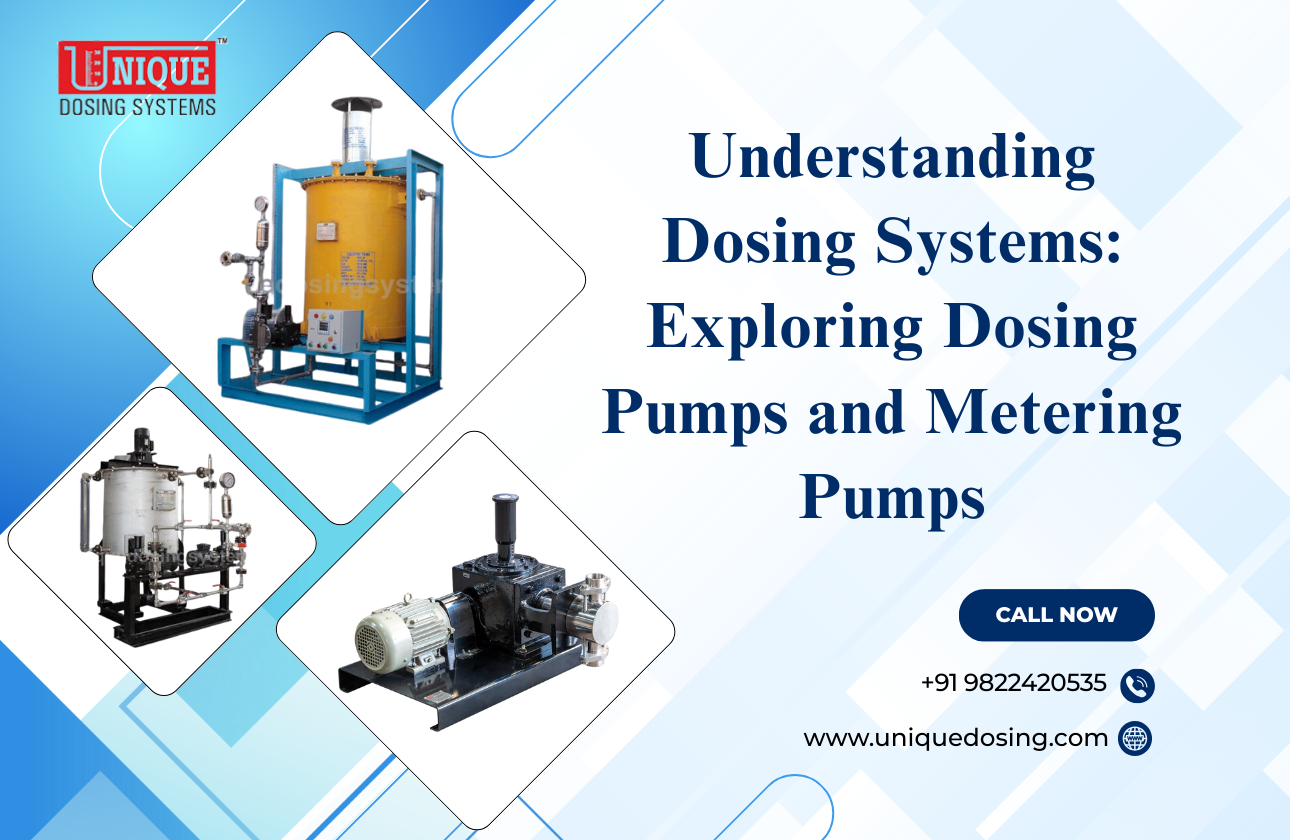
Understanding Dosing Systems: Exploring Dosing Pumps and Metering Pumps
In various industries, the precise measurement and control of fluids are crucial for operations. Dosing systems, which include dosing pump and metering pumps, play a vital role in achieving this precision. Whether you’re dealing with chemicals, water treatment processes, or pharmaceuticals, these systems ensure that exactly the right amount of fluid is delivered at the right time.
What is a Dosing System?
A dosing system is an assembly of equipment designed to deliver a specific volume of fluid - typically chemical reagents - into a process or product. The primary components of a dosing system include dosing pumps and ancillary equipment for control and monitoring. These systems are vital in industries where accuracy and repeatability are critical, such as water treatment, chemical processing, and pharmaceuticals.
The Role of Dosing Pumps
Dosing pumps are at the heart of dosing systems. They are designed to provide an accurate flow of liquid, usually at a very controlled rate. Unlike standard pumps that move large quantities of fluids, dosing pumps dispense a precise amount, ensuring optimal mixing and measurement. This precision is essential in applications ranging from water purification to manufacturing processes that require specific chemical reactions.
Dosing pumps come in several types, including diaphragm, peristaltic, and piston pumps, each suited to various applications. Diaphragm pumps, for instance, are known for their accuracy and are widely used in chemical dosing due to their ability to handle corrosive fluids.
Why Metering Pumps Matter
Metering pumps, often used interchangeably with dosing pumps, are designed specifically to deliver fluids at precisely controlled flow rates. These pumps are essential in applications requiring precise measurement and addition of fluids, adjusting their output according to the specific needs of the process they are embedded in.
The accuracy of metering pumps makes them indispensable in industries where an incorrect dosage could result in product failure, safety hazards, or environmental issues. For instance, in water treatment facilities, metering pumps ensure that the exact amount of disinfectant is delivered to meet safety standards without wasting resources.
Key Benefits of Dosing and Metering Pumps
- Precision: Both dosing and metering pumps ensure the precise delivery of chemicals, which is crucial for maintaining production quality and process efficiency.
- Efficiency: These pumps contribute to the economic use of chemicals, reducing both waste and cost.
- Flexibility: They are adaptable to various industries and can handle fluids of different viscosities and properties.
- Reliability: Designed to operate under harsh conditions, these pumps are reliable components in any dosing system, offering consistent performance over time.
In conclusion, dosing systems, dosing pumps, and metering pumps are critical in ensuring the efficacy of industrial processes. Their precision, efficiency, and reliability help industries maintain safety and productivity standards, making them invaluable components in today’s fluid control applications.
Understanding how these systems work and selecting the appropriate equipment can significantly improve operational efficiency and product quality across several sectors.
Published on January 10, 2026 by Admin