
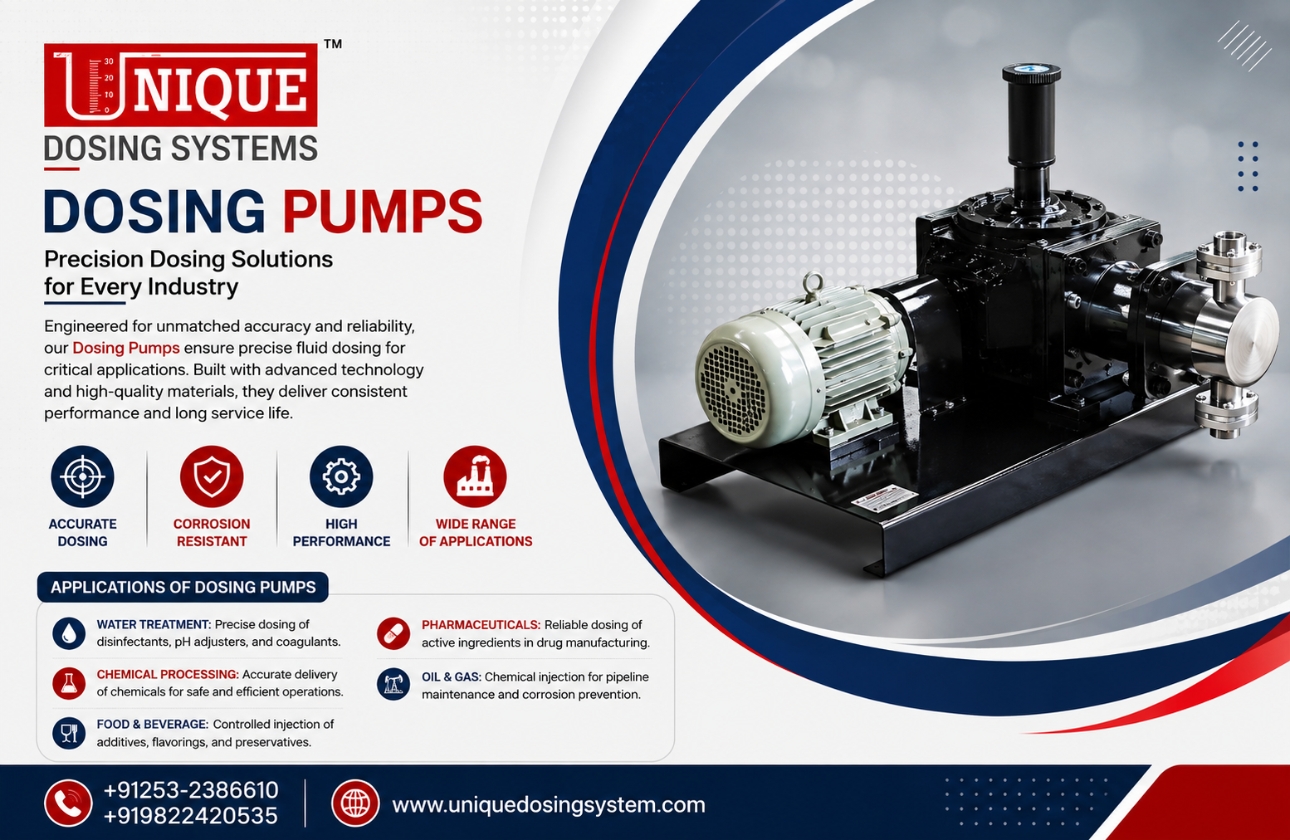
Introduction to Dosing Pumps
Dosing pumps might sound complex, but they play a crucial role in various industries. Essentially, these pumps are designed to move precise amounts of liquid, often used in processes where accuracy is crucial. They find application in industries like chemical manufacturing, food processing, and water treatment. Dosing pumps can handle a wide range of fluids, including chemicals, acids, or even thicker substances, while providing controlled flow rates to ensure efficiency and effectiveness. The main advantage of using dosing pumps lies in their ability to deliver exact dosages, helping to eliminate waste and optimize operational costs. By minimizing human intervention, dosing pumps not only enhance precision but also reduce the risk of errors and improve safety.
How Dosing Pumps Work
At its core, a dosing pump is built to dispense precise volumes of fluid. It achieves this by using a motor which enables the pump to draw in a predetermined volume of liquid and then release it. The control over the flow rate can be manual or automated, depending on the complexity of the system. Many pumps feature an adjustable stroke length, which ensures the desired volume is achieved each time. The accuracy of these pumps is quite remarkable, allowing for even minute adjustments to be made easily. They also come with various components like valves and gears that help modulate the flow, ensuring the right amount of fluid is delivered regardless of changes in pressure or viscosity.
Types of Dosing Pumps
Dosing pumps come in several types, each crafted for different tasks and fluid types. The most common include peristaltic pumps, diaphragm pumps, and piston pumps. Peristaltic pumps work through a mechanism where a tube is compressed to move fluid, making them ideal for handling corrosive or viscous fluids. Diaphragm pumps use a reciprocating silicon diaphragm to move fluid, excelling in high-pressure applications and where chemical resistance is necessary. Lastly, piston pumps move fluid by using a piston mechanism and are known for their ability to handle high pressure but require regular maintenance to ensure peak performance. Each type has its strengths and will be chosen based on the specific requirements of the application.
Applications of Dosing Pumps
The versatility of dosing pumps makes them essential across many industries. One of their key roles is in water treatment, where they ensure that the right amount of chemicals is added to clean water. In the food industry, they help in precise ingredient measurement, ensuring consistent taste and safety standards. Chemical processing plants also rely heavily on dosing pumps for mixing, transferring, and dispensing chemicals accurately. The mining industry too finds use for dosing pumps in adding reagents to the mineral processing streams. The common thread across these applications is the need for precision, which dosing pumps effectively provide.
Choosing the Right Dosing Pump
Selecting the right dosing pump involves understanding the specific needs of your application. Consider the type of fluid you need to pump. Is it corrosive, viscous, or clear? Each fluid type might require a different pump material. Next, examine the flow rate requirements. How much fluid do you need to move? The pump should meet these requirements without exerting itself. The pressure in the system is another important factor. Dosing pumps often operate in systems with varying pressure, so understanding this is crucial. Finally, consider the control mechanism, which might be manual for simple applications or digital for complex environments requiring automation. Understanding the components and performance of different dosing pumps will better position you to make the right choice.
Benefits of Using Dosing Pumps
Dosing pumps bring several benefits, the most significant being enhanced precision and efficiency. They help ensure the exact amount of substance is delivered, which reduces waste and keeps costs low. This is particularly crucial in environments where materials are expensive or scarce. Another benefit is their capability to handle a range of fluid types, from highly viscous to corrosive, without risk of damage to the pump itself. Additionally, their automated features promote safety in chemical handling and can contribute to a more environmentally sustainable operation. They reduce the need for human intervention, subsequently minimizing risks associated with manual dosing and offering a seamless integration into existing systems.
Maintenance and Troubleshooting of Dosing Pumps
Like any machinery, dosing pumps require regular maintenance to operate at peak efficiency. Regular inspections help catch early signs of wear, such as leaks or irregular flow rates. Components like seals and valves should be examined and replaced as needed to prevent downtime. Understanding the common issues that might arise, such as clogging or a drop in pressure, will help you address these before they affect the entire system. Practical guides and resources often detail troubleshooting techniques, ensuring your dosing pump continues to function smoothly.
Frequently Asked Questions
1. What are dosing pumps used for?
Answer: Dosing pumps are used for accurately delivering specific quantities of fluid into a process stream. They find applications in water treatment, food processing, chemical manufacturing, and many other industries where precise fluid management is required.
2. How do I choose the right dosing pump?
Answer: To choose the right dosing pump, consider the fluid type, flow rate, system pressure, and control needs. Ensuring that the pump is compatible with your specific application requirements is crucial for its effective performance. Selecting a manufacturer with expertise in dosing technology can guide you toward the optimal choice.
3. What types of fluids can be managed by dosing pumps?
Answer: Dosing pumps can handle a variety of fluids, including chemicals, acids, bases, and other industrial processes. They are designed to manage both non-viscous and highly viscous substances while ensuring accurate dosage.
4. Are dosing pumps easy to maintain?
Answer: Yes, with regular checks and maintenance, dosing pumps are easy to maintain. Key parts like valves and diaphragms should be periodically examined and replaced if needed to prevent malfunctions. Many resources provide simple guides on upkeep and troubleshooting.
5. How do dosing pumps contribute to environmental sustainability?
Answer: Dosing pumps enhance environmental sustainability by ensuring precise chemical use, minimizing waste and subsequent environmental impact. Their precision reduces overuse of chemicals and lowers operational costs, making processes not only eco-friendly but also economically efficient.