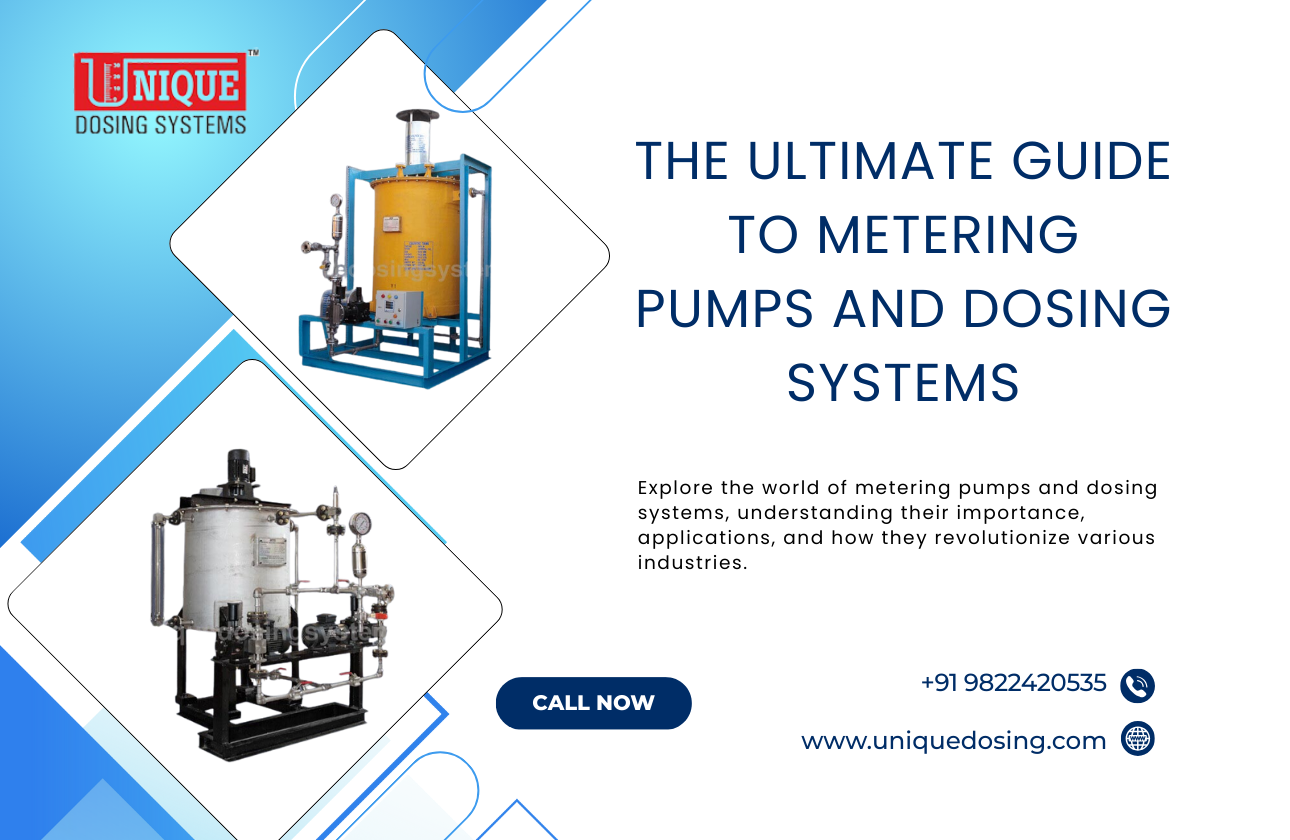
The Ultimate Guide to Metering Pumps and Dosing Systems
In today's industrial landscape, precise fluid handling is crucial for maintaining product quality, optimizing processes, and ensuring safety. This is where metering pumps and dosing system come into play. These devices are engineered to deliver exact amounts of fluid at specific time intervals, making them vital across various industries, from water treatment to pharmaceuticals.
Understanding Metering Pumps
Metering pumps, often referred to as positive displacement pumps, are designed to move a precise volume of fluid over a set period. This attribute makes them ideal for applications requiring exact dosing, such as in chemical processing, food manufacturing, and water treatment.
How Do Metering Pumps Work?
Metering pumps operate by repeatedly drawing a specific volume of liquid into a chamber and then displacing it. The volume can be precisely controlled and adjusted, allowing operators to customize the amount of fluid dispensed. This feature is essential for processes where fluid flow rates must be maintained within tight tolerances.
Exploring Dosing Systems
A dosing system is a complete set-up that includes metering pump along with various components like tanks, valves, pipes, and control systems to ensure accurate and consistent fluid delivery. Dosing systems are widely used in industries for applications like nutrient injection in agriculture, chlorine dosing in swimming pools, and medication delivery in medical settings.
Components of a Dosing System
- Metering Pump: Heart of the system, controlling the precise flow of fluid.
- Control Unit: Provides operational flexibility and automation, crucial for maintaining process consistency.
- Reservoirs: Store fluids before they are dosed.
- Pipes and Valves: Ensure smooth transportation of fluids from reservoirs through the pump to the dispensing site.
Applications of Metering Pumps and Dosing Systems
The versatility of metering pumps and dosing system allows them to cater to a diverse range of industries, including:
- Water Treatment: Ensuring safe and clean water by accurately dosing chemicals like fluoride and chlorine.
- Oil & Gas: Managing production chemicals to optimize flow assurance and enhance production efficiency.
- Pharmaceuticals: Precise delivery of active ingredients during drug manufacturing.
- Food and Beverage: Consistent dosing of flavors and additives improves product quality and uniformity.
Choosing the Right Metering Pump and Dosing System
When selecting a metering pump or dosing system, consider factors such as:
- Flow Rate: Ensure the pump can handle the required flow rate for your application.
- Material Compatibility: Ensure materials are compatible with the fluids being handled to prevent corrosion.
- Control Mechanisms: Automated systems enhance precision and reduce human error.
Partnering with a trusted supplier is crucial for getting expert guidance tailored to your specific needs.
Conclusion
Metering pumps and dosing systems have transformed fluid handling processes across multiple sectors, providing accuracy, efficiency, and safety. Whether you're in water treatment or pharmaceutical manufacturing, investing in the right equipment can significantly enhance operational effectiveness and product quality.
For more information on how to choose the best metering pump or to get a solution tailored to your industry needs, contact our experts today.
Published on January 15, 2026 by Admin