What Are Metering Pumps?
Metering pumps play a crucial role in many industrial processes. They are devices designed to move a precise amount of fluid within a specific time period. The primary purpose of these pumps is to add a set amount of liquid to either a process or a product. This can include applications such as chemical treatment in water systems, the production of stuff in the food industry, or even in the creation of medicines. They are unique because they allow for controlling the amount of fluid moved, which is why they're often called dosing pumps. Explore the importance of metering pumps further with this comprehensive guide.
The Functionality of Metering Pumps
Metering pumps work by utilizing a reciprocating motion. This means it pulls liquid into a chamber, and then pushes it out again. They can adjust the stroke length or speed to change the volume of fluid dispensed. Due to this operation, they ensure high accuracy and precision in fluid handling processes. These pumps are used when accuracy in the pumped amount is essential, making them vital in various industries like pharmaceuticals, food and beverage, and even in water treatment facilities. They often pair with dosing systems to maximize operational efficiency.
Applications in Industry
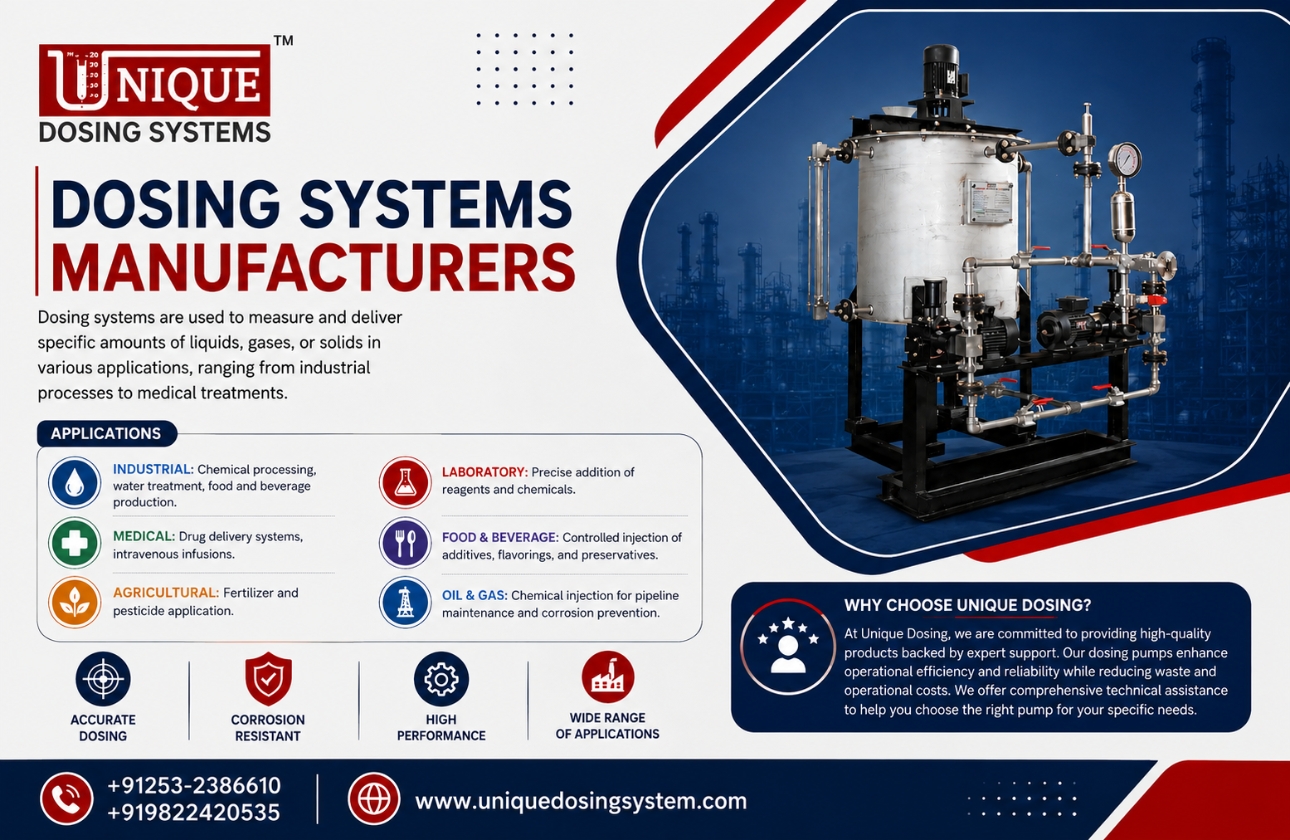
Metering pumps find utility in a wide range of sectors. They are key in water treatment facilities, ensuring that water is free from contaminants by precisely adding chemicals for purification. In agriculture, these pumps help evenly distribute fertilizers and pesticides boosting crop yields. Healthcare and pharmaceuticals rely on them for ensuring the correct mix of chemicals in drug production. These pumps are also used in the oil and gas industry, helping in the accurate blending of crude oil and petroleum products. The need for precision and reliability makes metering pumps indispensable in these areas. Get deeper insights into their applications here.
Types of Metering Pumps
There are several different types of metering pumps, each suited for specific applications. The most common ones are diaphragm pumps, which use a flexible membrane to move fluids. Piston pumps, another type, use a reciprocating piston to discharge fluid. These are well-suited for high-pressure applications. Peristaltic pumps, also part of this category, move fluid through tubular pathways by a series of rollers compressing the tube. Each type of pump has its advantages and specific use cases, and choosing the right one depends on the application's specific pressure and flow requirements. Learn more in this exploration of dosing systems.
Features that Enhance Efficiency
Modern metering pumps come equipped with features that enhance precision and efficiency. They often include digital interfaces for better control, automated settings for volume adjustments, and enhanced materials for better durability under harsh conditions. Some models even allow remote access, providing the convenience of operation from a distance. These enhancements ensure that the pumps not only meet the precision demand but also commit to being user-friendly, reducing the chance of error in the process. For advanced systems, visit Skid Mounted Dosing Systems.
Choosing the Right Pump for Your Needs
Choosing the right metering pump involves considering several factors. First, determine the type of fluid to be pumped, including its viscosity and chemical properties. Next, assess the required flow rate and pressure conditions of your application. Additionally, think about the physical space available for the pump and any environmental conditions it might face, such as exposure to harsh chemicals or extreme temperatures. It's important to choose a pump that can withstand these conditions while maintaining accuracy and efficiency. To assist in making an informed decision, refer to our guide on dosing and metering pumps.
Maintenance and Troubleshooting
Proper maintenance is key to ensuring the longevity and optimal functionality of metering pumps. Regular checks for wear and tear, replacing worn-out parts, and ensuring fluid lines are clear can prevent unexpected breakdowns. Troubleshooting involves understanding common issues, such as leaks or reduced flow rates, and knowing how to address them promptly. Performing periodic cleaning and following manufacturer guidelines can significantly reduce downtime and enhance performance. For more maintenance insights, see our comprehensive look at metering pumps.
Frequently Asked Questions
1. What industries use metering pumps?
Answer: Metering pumps are used in numerous industries including water treatment, agriculture, pharmaceuticals, food and beverage, and oil and gas due to their precise fluid control capabilities.
2. How do I choose the right metering pump?
Answer: Choosing the right metering pump involves assessing the fluid characteristics, flow rate, pressure requirements, and the environmental conditions of the application.
3. What is the difference between a diaphragm pump and a piston pump?
Answer: Diaphragm pumps use a flexible membrane for fluid movement, ideal for handling corrosive substances, whereas piston pumps use a reciprocating mechanism suitable for high-pressure applications.
4. What features should I look for in a modern metering pump?
Answer: Look for features like digital interfaces, automated settings, durable materials, and remote operation capabilities for enhanced efficiency and ease of use.
5. How often should I maintain my metering pump?
Answer: It's recommended to perform regular maintenance based on the manufacturer's guidelines, which includes checking for wear and tear, cleaning, and timely replacement of parts for optimal performance.