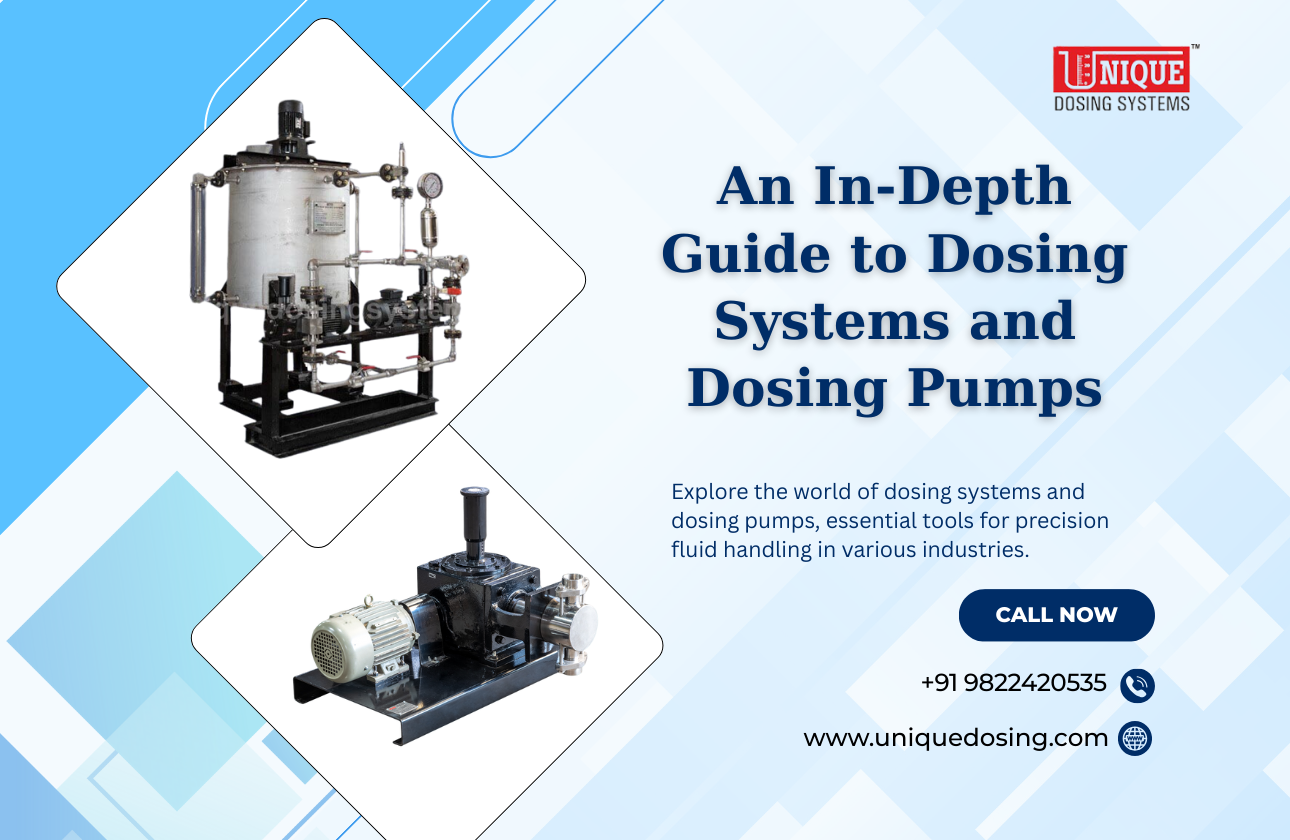
An In-Depth Guide to Dosing Systems and Dosing Pumps
Dosing systems and dosing pumps play a pivotal role across multiple industries, ensuring precise fluid handling and management. From water treatment plants to manufacturing facilities, these tools facilitate the accurate distribution of fluids, chemicals, and other substances.
Understanding Dosing Systems
Dosing systems are integrated solutions designed to deliver controlled quantities of liquids to a process. These systems are vital in processes where accuracy and reliability are paramount, such as in chemical manufacturing, food and beverage production, and wastewater treatment.
A standard dosing system consists of key components like dosing pumps, tanks, mixers, control units, and pipelines. Together, these components ensure efficient and precise fluid delivery. Their applications range from adjusting pH levels in water treatment to adding flavorings in food production.
The Role of Dosing Pumps
At the heart of any dosing system are the dosing pumps. These pumps regulate the flow rate of liquids, ensuring that the exact dosage is delivered without error. Dosing pumps are available in various designs, including:
- Diaphragm Dosing Pumps: Known for their accuracy and chemical resistance, ideal for corrosive fluids.
- Peristaltic Dosing Pumps: These are suitable for viscous fluids and provide a wide range of flow rates.
- Piston Dosing Pumps: Offering high reliability and suitable for high-pressure applications.
Selecting the right type of dosing pump is essential for achieving the desired results and ensuring system longevity.
Applications of Dosing Systems and Pumps
Dosing systems and their accompanying pumps find uses across numerous industries:
- Water Treatment: For precise addition of chlorine, fluorides, or coagulants.
- Oil & Gas: Used in drilling and production operations for injecting chemicals.
- Pharmaceuticals: Involves highly precise dispensing of ingredients for drug development.
- Agriculture: Enables controlled application of fertilizers and pesticides.
Conclusion
Dosing systems and pumps are indispensable in today's industrial landscape. By ensuring the accurate delivery of liquids, they help industries maintain quality standards, enhance safety, and improve operational efficiency. As technology advances, these systems will continue to evolve, offering even more precision and reliability.
Whether you are setting up a new facility or upgrading existing equipment, understanding the intricacies of dosing systems and pumps is crucial for making informed decisions.
Published on January 14, 2026 by Admin