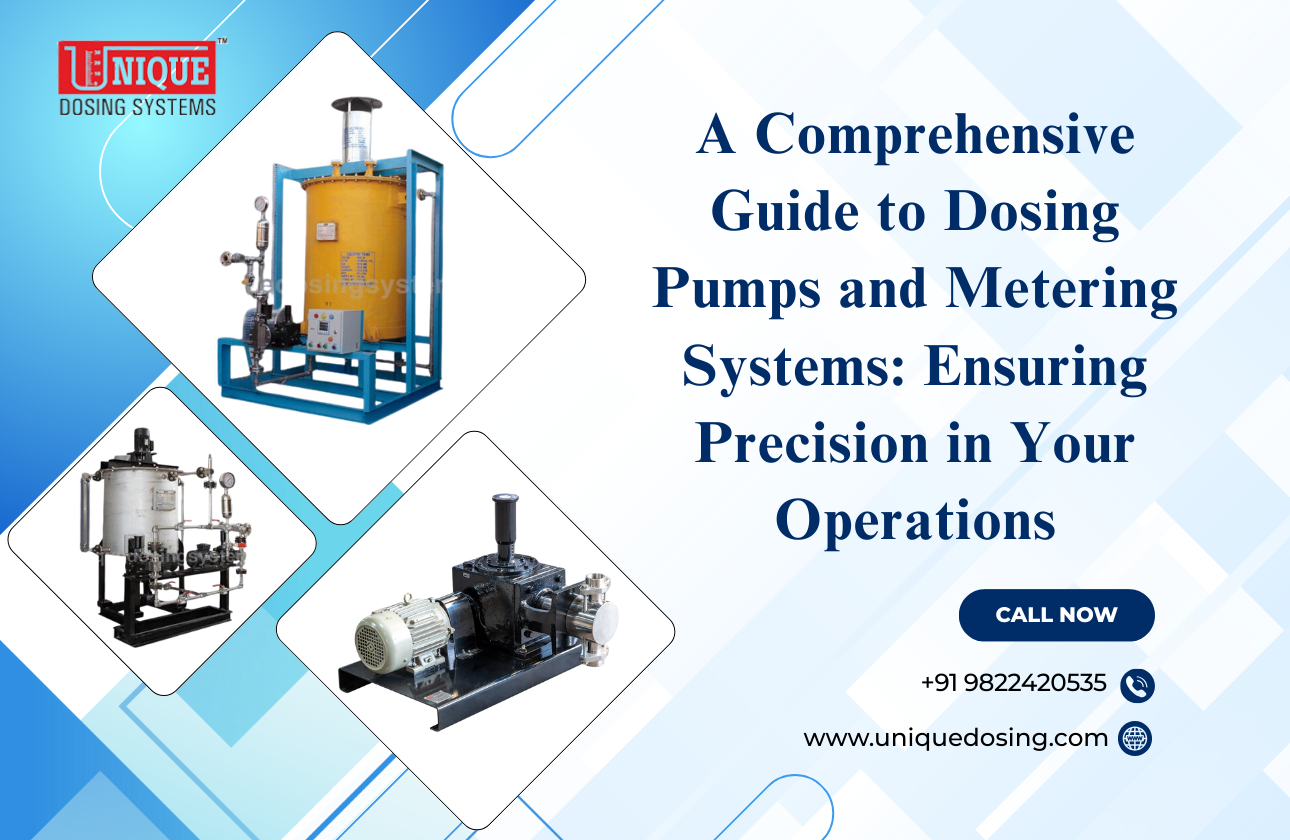
A Comprehensive Guide to Dosing Pumps and Metering Systems
In today's industrial landscape, precision and accuracy are paramount. Whether you're in the chemical industry, water treatment, pharmaceuticals, or food processing, dosing pumps and metering systems play a critical role in ensuring processes run smoothly and efficiently. This blog post will delve into the intricate details of dosing pumps, explore the various types of metering pump, and highlight the importance of dosing systems in diverse applications.
What Are Dosing Pumps?
Dosing pumps are specialized pumps designed to precisely control the flow rate of a fluid or chemical. These pumps are essential when accurate metering or proportioning is required to ensure consistent delivery of a desired volume of liquid over a pre-determined period.
Types of Dosing Pumps
There are several types of dosing pumps, each suited to different applications:
- Diaphragm Dosing Pumps: Known for their accuracy and reliability, they use a diaphragm, pistons, and valves to move fluid, making them ideal for water treatment and chemical processing.
- Peristaltic Dosing Pumps: These pumps operate with a rotating roller that squeezes the tubing, suitable for low-pressure applications where gentle handling of fluids is necessary.
- Piston Dosing Pumps: Preferred for high-pressure applications, they provide precise dosing under various conditions, widely used in the pharmaceutical and food industries.
Understanding Metering Pumps
Metering pump, often considered synonymous with dosing pumps, are designed to deliver precise volumes of liquid. They can be manually adjusted or automatically controlled, adapting to the needs of specific applications.
The Importance of Metering Pumps
The primary function of metering pumps is to ensure that the exact amount of fluids is delivered, which minimizes waste and maximizes efficiency. This capability is crucial in industries where dosage precision directly impacts the quality and safety of the final product.
The Role of Dosing Systems
Dosing systems are integrated solutions comprising multiple components, including pumps, controllers, sensors, and tanks, to facilitate accurate dispensing of chemicals or fluids. These systems can be fully automated to improve precision and efficiency in large-scale operations.
Applications of Dosing Systems
Dosing systems are widely used in:
- Water Treatment: To precisely add chlorine or pH adjusters to municipal and industrial water supplies.
- Chemical Manufacturing: For blending and mixing precise concentrations of raw materials.
- Pharmaceutical Production: Ensuring the accurate formulation of drug compounds.
- Food and Beverage Processing: Exact dosing of flavorings, colorants, and preservatives.
Choosing the Right Dosing or Metering Pump System
When selecting a dosing or metering pump system, it’s essential to consider factors such as the chemical compatibility, flow rate, pressure, and the specific requirements of your operation. Working with a reputable supplier can ensure you choose the most efficient and effective solution for your needs.
Conclusion
Understanding the intricacies of dosing pumps and metering systems is key to optimizing operations across various industries. With the right solution in place, businesses can achieve unparalleled precision and efficiency, reducing waste and enhancing product quality. Stay ahead of the competition by investing in the latest dosing technology that meets the unique demands of your industry.
Published on January 17, 2026 by Admin